IndusInd Pinnacle Credit Card Review: Why It's Not Worth Rs. 15,000 Anymore?
Last updated on
Should you pay the steep joining fee for this card? I don't think so and I've shared some reasons you shoud look at before applying for the IndusInd Pinnacle
Too busy to read endless reviews & research?
Find the best cards that suit your lifestyle in 30 seconds
Try Monzy NowNo signup or email required
Growing up in a city where credit cards were viewed with suspicion, I've always approached premium cards with a healthy dose of skepticism. My journey with credit cards began out of necessity for international software payments, and I've maintained that practical mindset ever since.
The IndusInd Pinnacle caught my attention recently after a friend's frustrating experience with their customer service. He'd paid the hefty Rs. 15,000 joining fee expecting premium treatment, only to find himself stuck in call queues and dealing with inconsistent policies. That conversation made me dig deeper into what this card actually offers versus what it promises.
After spending weeks analyzing user experiences, crunching the numbers, and comparing alternatives, I've reached a conclusion that might surprise you.
Despite IndusInd's marketing claims of "up to Rs. 1,59,266 in savings," this card feels like it's lost its competitive edge in today's crowded premium card market.
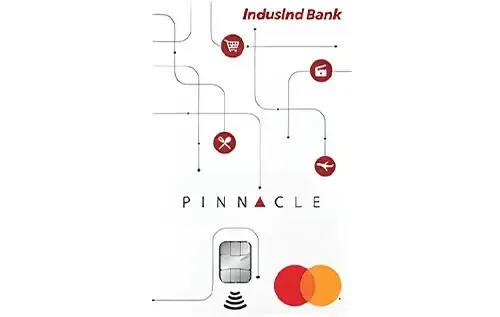
The Pinnacle Promise vs Reality Check
IndusInd positions the Pinnacle as a semi-premium card that delivers luxury benefits without the astronomical fees of super-premium cards. Their marketing emphasizes "up to Rs. 1,59,266 in savings" and a "2.5x reward multiplier."
But let me break down what these numbers actually mean in practice.
What IndusInd Claims
The bank's promotional material makes bold promises.
That Rs. 1,59,266 savings figure assumes you'll maximize every benefit category, use all lounge visits, redeem every movie ticket, and spend optimally across accelerated categories. It's the kind of best-case scenario calculation that looks impressive on paper but rarely translates to real-world usage.
The "2.5x reward multiplier" sounds attractive until you realize it's calculated against their base rate, not industry standards. When you're earning 1 point per Rs. 100 spent (0.5% return rate), even 2.5x gets you to just 1.25% - which is decent but not groundbreaking in today's market.
My First Impression: Red Flags
The most glaring issue is the upfront cost structure. Rs. 15,000 joining fee with GST brings your actual outlay to Rs. 17,700 - that's serious money that could be earning returns elsewhere. Unlike cards with clear spending-based fee waivers, Pinnacle offers no transparent path to offset this cost. Though renewal cost is zero for this card.
Then there's the customer service situation. Multiple Reddit users shared their experience: "Got a call from customer care for upgrade to pinnacle credit card. Misled into believing the upgrade was lifetime free." This kind of inconsistency in communication is concerning for a premium product. [Source 1, Source 2]
The welcome benefit structure also raised eyebrows. You get "up to Rs. 15,000 Gyftr voucher" - essentially getting back your joining fee in restricted vouchers rather than cash or statement credit. Having dealt with Gyftr vouchers a few times, I know they come with brand limitations and expiry concerns that cash simply doesn't have.
Personal Commentary
Coming from my experience with credit cards, I value transparency and simplicity. When I see Pinnacle's layered benefit structure and upfront costs, I can't help but wonder if the complexity is hiding poor underlying value.
Breaking Down the Real Costs: Who Should Actually Pay Rs. 15,000?
Let's get brutally honest about the math here. The financial commitment to this card goes beyond the advertised joining fee, and understanding the true cost is crucial before making any decision.
The Fee Structure Reality
The headline joining fee of Rs. 15,000 becomes Rs. 17,700 after GST. That's your immediate out-of-pocket cost with no guarantee of value return. While the renewal fee is listed as "Nil," this often comes with spending conditions that aren't always clearly communicated upfront.
Add-on cards carry their own annual fees, and international transactions include markup costs that can quickly add up for frequent travelers. These hidden costs aren't prominently featured in marketing materials but can significantly impact your total cost of ownership.
Welcome Benefit Analysis
The Rs. 15,000 Gyftr voucher sounds like you're getting your money back, but vouchers aren't cash. From my experience with similar platforms, Gyftr has limited brand options compared to what you'd get with unrestricted spending power. Popular brands often have stock issues, and vouchers come with expiry dates that cash doesn't.
More importantly, you're essentially paying Rs. 17,700 to get Rs. 15,000 in restricted purchasing power. That's already a 15% loss before you've even used the card for regular spending.
Break-Even Calculation
To justify the annual cost, you need to earn back Rs. 17,700 in value through rewards and benefits.
At the accelerated rate of 1.8% on online spending, you'd need to spend approximately Rs. 98,000 annually just on online purchases to break even on rewards alone.
For travelers, lounge access might add Rs. 6,000-8,000 in annual value if you use all six domestic visits and some international ones. But that still leaves a significant gap that needs to be filled through other benefits or higher spending.
For everyday users who don't maximize accelerated categories or travel frequently, the break-even point becomes nearly impossible to reach. You'd need over Rs. 3,50,000 in annual spending at base rates to generate enough rewards to justify the fee.
Personal Spending Pattern Test
I ran my own numbers based on last year's spending patterns. With about Rs. 1,50,000 in online purchases and 4-5 domestic flights, I'd earn approximately Rs. 4,500 in rewards plus Rs. 6,000 in lounge value.
That's Rs. 10,500 in benefits against Rs. 17,700 in costs - a net loss of Rs. 7,200. For me personally, this card doesn't make financial sense, and I suspect the same applies to many potential applicants.
Pinnacle's fee giving you pause? find your best credit card in 30 seconds →
Indusind Pinaccle Reward Structure Deep Dive: The Good, Bad, and Confusing
Understanding how you actually earn and redeem rewards is crucial for any credit card decision. The Pinnacle's reward structure has some bright spots, but also several limitations that aren't immediately obvious from the marketing materials.
How Points Actually Work?
The base earning rate is 1 point per Rs. 100 spent, which translates to 0.5% return when redeemed for statement credit. This is below industry average for premium cards. The accelerated categories can bump this up to 1.8%, but these apply only to specific spending types like online purchases and dining.
Here's where it gets frustrating: fuel transactions don't earn any points. In a country where fuel expenses are significant for most cardholders, this exclusion feels particularly limiting. It's like the bank is saying they'll reward you for some spending but not others, without a clear rationale.
The rent payment cap of 500 points per statement cycle is another disappointment. With rent being many people's largest monthly expense, capping rewards at just Rs. 250 worth of benefits makes this card useless for rent optimization strategies that work well with other cards.
its
Redemption Options Reality Check
IndusInd offers several redemption options through its IndusMoments platform, but the selection feels limited compared to more established programs. Statement credit redemption at 1 point = Rs. 0.50 is straightforward and decent, though not exceptional.
The airline miles transfer to KrisFlyer is interesting for Singapore Airlines loyalists, but the transfer ratios aren't particularly generous. You're often better off earning miles directly through airline credit cards if travel rewards are your priority.
Cash credit remains the most practical option for most users, avoiding the complexity of catalog browsing or transfer partner limitations. It's refreshing to have this straightforward choice, even if the redemption rate isn't industry-leading.
Some Real-World Scenarios for Using This Credit Card
Let me walk through some realistic spending scenarios to show how rewards actually accumulate:
Online Shopping Enthusiast: Annual spend Rs. 2,00,000
- Points earned: 4,000 points (if all spending qualifies for accelerated rate)
- Redemption value: Rs. 2,000 in statement credit
- Net benefit after joining fee: Loss of Rs. 15,700
My verdict: Not compelling for the fee, even with high online spending.
Frequent Traveler: International trips 3-4 times annually
- Lounge access value: Rs. 6,000-8,000
- International spend rewards: Variable, depends on amount
- Total benefits: Rs. 8,000-12,000
My verdict: Better travel-focused options exist with clearer value propositions.
My Personal Comparison (Though Not Entirely Relevant to Premium Card)
My Amazon ICICI card gives me 5% cashback on Amazon purchases with no annual fee and no complex calculations. For my typical Rs. 60,000 annual Amazon spending, that's Rs. 3,000 in straightforward cashback. The Pinnacle would give me 1.8% on the same spending - just Rs. 1,080 - while charging Rs. 17,700 upfront.
When the math is this straightforward, it becomes clear that paying for premium features doesn't always deliver premium value.
The Premium Benefits: Marketing Hype or Real Value?
Premium cards justify their fees through exclusive benefits that go beyond earning rewards. Let's examine whether Pinnacle's premium offerings actually deliver value or just sound impressive in marketing brochures.
Airport Lounge Access
The card offers 6 domestic lounge visits annually plus Priority Pass access for international lounges. This sounds generous, but there are practical limitations. Domestic lounge visits are often restricted to specific airport lounges, and availability during peak travel times can be an issue.
Priority Pass access comes with its own restrictions and fees for guest access. If you're traveling with family, those additional guest fees can quickly erode the benefit's value. From my travel experience, lounge access is nice to have, but it shouldn't be the primary reason to choose a card with such a high annual fee.
For the 6 domestic visits to be worthwhile, you need to value each lounge visit at around Rs. 1,000-1,500. That's reasonable if you're flying frequently enough to use all visits, but many cardholders end up using only 2-3 visits annually, reducing the effective value significantly.
Golf Privileges
The golf course access and discounts sound exclusive, but this benefit applies to a tiny percentage of the Indian population. Golf remains a niche hobby, and unless you're already an avid golfer, this benefit adds zero value to your card ownership experience.
Even for golf enthusiasts, the actual savings depend on how frequently you play and which courses are included in the program. Without clear details on participating courses and discount percentages, it's hard to quantify the real value this benefit provides.
Pinnacle Concierge Services
The concierge services include auto assist features like roadside repair, emergency fuel supply, flat tire service, and towing assistance. These services can be genuinely valuable during emergencies, but similar coverage is available through standalone auto insurance policies or automobile association memberships at lower costs.
Travel assistance for booking help and emergency support is useful for international travelers, but in the age of online booking platforms and travel apps, the practical utility of these services has diminished. Most travelers are comfortable handling their own bookings and prefer the flexibility of direct arrangements.
Luxury Brand Access
Partnerships with Montblanc and The Postcard Hotel sound impressive, but the actual benefits depend on whether you were already planning to purchase from these brands. Getting a discount on a luxury pen you weren't going to buy anyway isn't really a benefit - it's an invitation to spend more money.
The Postcard Hotel luxury stays and upgrades might appeal to leisure travelers, but the availability during peak seasons and actual upgrade policies aren't clearly outlined. These partnerships often come with blackout dates and limited availability that reduce their practical value.
Movie Tickets and Entertainment
Free movie tickets sound appealing, but the devil is in the details. Which cinema chains participate? How far in advance can you book? Are premium formats included? Without clear answers to these questions, it's hard to plan around this benefit or count on it when you want to catch a specific movie.
From my experience with similar benefits on other cards, movie ticket offers often come with restrictions that make them more hassle than value. You might find yourself choosing movies based on what's available through the card rather than what you actually want to watch.
Personal Assessment
Looking at these benefits collectively, I see a lot of nice-to-have features but few must-have services. The value proposition depends heavily on whether your lifestyle already aligns with these specific benefits.
For most people, the combination of high fees and niche benefits doesn't create a compelling value equation. You're essentially paying a premium for access to services you might not use regularly.
Customer Service and User Experience: The Reddit Reality
Premium credit cards should come with premium service. When you're paying Rs. 17,700 upfront, you expect smooth processes, helpful customer support, and quick resolution of issues. Unfortunately, user experiences suggest Pinnacle falls short of these expectations.
What Users Are Actually Saying
Reddit discussions reveal concerning patterns in customer service quality. One user shared their frustration: "My experience with Pinnacle credit card issued with 8 promo codes for airlines tickets is pathetic." This kind of promotional benefit failure highlights gaps between marketing promises and actual delivery.
Upgrade difficulties are another common complaint. Despite having existing relationships with IndusInd, customers report being told they don't meet criteria for upgrades without clear explanations of what those criteria actually are. This lack of transparency is particularly frustrating when you're considering a significant financial commitment.
Then the fake promises related to this card being LTF is highly concerning.
The inconsistency in customer service responses is troubling. Different representatives provide different answers to the same questions, making it difficult for customers to get reliable information about their accounts or available benefits.
My Analysis of Common Complaints
The eligibility confusion around upgrades suggests internal communication problems within the bank. When existing customers with good payment histories can't get clear answers about upgrade paths, it indicates systemic issues rather than isolated incidents.
Communication gaps between marketing promises and actual service delivery appear frequently in user discussions. Promotional codes that don't work, benefits that aren't available as advertised, and unclear terms and conditions all point to operational challenges that affect customer experience.
Resolution timeframes for issues seem longer than what you'd expect from a premium product. When problems arise with a card that costs Rs. 17,700 annually, customers rightfully expect faster and more effective support than they might with a free card.
The absence of a clear spending-based fee waiver structure means customers have no path to offset the annual cost through card usage. Unlike many competitors that offer fee waivers for reaching specific spending thresholds, Pinnacle provides no such relief.
With Pinnacle's reported service issues, I'd be concerned about getting help when I need it most. Payment disputes, benefit clarifications, and account issues require reliable support, especially when you've made a significant financial commitment.
The question every potential applicant should ask: Can you afford to have payment issues with poor customer support backing you up?
Who Should (and Shouldn't) Consider This Card?
After analyzing the costs, benefits, and user experiences, clear patterns emerge about who might find value in the Pinnacle card and who should look elsewhere.
Good Fit Profile
- High online spenders with annual online purchases exceeding Rs. 3-5 lakhs might find the accelerated earning rates worthwhile. However, even at this spending level, you need to use other benefits like lounge access and entertainment offers to justify the fee.
- Existing IndusInd customers who are already comfortable with the bank's ecosystem and service quality might find it easier to integrate this card into their financial routine. If you're satisfied with their other banking services, the card might be a logical addition.
- Premium service seekers who value concierge services and assistance features might appreciate the comprehensive support offerings, provided they're willing to pay for convenience rather than optimizing for pure financial returns.
- Golf enthusiasts who actually use golf privileges regularly could find genuine value in the course access and discounts, though this represents a very small subset of potential cardholders.
Poor Fit Profile
- First-time premium card users should avoid this card. The high entry cost and complex benefit structure make it too expensive for learning whether premium cards suit your spending patterns. Start with lower-fee options to understand your preferences.
- Simple reward seekers who prefer straightforward cashback will find better options elsewhere. If you value simplicity over complexity, cards like Amazon ICICI or SBI Cashback offer clearer value propositions without annual fees.
- Occasional spenders with annual card spending below Rs. 2 lakhs will struggle to reach break-even thresholds. The math simply doesn't work when your spending isn't high enough to generate sufficient rewards to offset the costs.
- Customer service sensitive users who get frustrated by long resolution times and inconsistent support should consider alternatives. If you value responsive customer service, the reported issues with IndusInd support could be deal-breakers.
Personal Recommendation Framework for a Premium Card like Indusind Pinnacle
Before considering any premium card, map your actual monthly expenses across different categories. Don't base decisions on aspirational spending or hypothetical scenarios. Use your last 12 months of bank statements to understand where your money actually goes.
Calculate real returns including the opportunity cost of the joining fee. Rs. 17,700 invested in a mutual fund or kept in a high-interest savings account generates returns that need to be factored into your cost-benefit analysis.
Consider alternatives before committing to Pinnacle. Other cards might offer better value for your specific spending pattern, or you might find that multiple no-fee cards together provide better coverage than one expensive premium card.
Test the bank relationship with a lower-tier card first. If you're new to IndusInd, try their Indulge or other lower-fee cards to experience their service quality before making a premium commitment. Our IndusInd Bank credit card catalogue lists every card with its current fees.
My Honest Verdict on this Card
I wouldn't personally apply for this card today. The combination of high upfront costs, limited reward earning potential, and reported service issues doesn't align with my preference for straightforward value.
The fundamental question isn't whether you can afford the Rs. 17,700 fee - it's whether you're paying for genuine benefits or just the perception of premium status.
Your spending pattern should drive your card choice, not the card features driving your spending habits.
Alternatives and Better Options than Indusind Pinnacle
Rather than settling for a card that doesn't quite fit, let me suggest alternatives that might better serve different user profiles and spending patterns.
Within IndusInd Portfolio
- IndusInd Indulge Credit Card offers many similar benefits at lower fees, making it a more accessible entry point into IndusInd's premium card ecosystem. You can test the bank's service quality and benefit delivery without the significant upfront investment.
- IndusInd Legend Credit Card sits above Pinnacle in their hierarchy and might offer a better value proposition for very high spenders. If you're considering premium cards, IndusInd Legend Credit Card is worth comparing the incremental benefits against the additional costs.
Outside IndusInd
- For online spending: Amazon ICICI provides 5% cashback on Amazon purchases with no annual fee. Flipkart Axis offers similar benefits for Flipkart users. Both deliver higher returns on e-commerce spending without complex calculations.
- For travel: HDFC Regalia offers comprehensive travel benefits with more transparent fee waiver options. Axis Magnus provides excellent reward rates for high spenders, though it comes with its own premium pricing.
- For simplicity: SBI Cashback card gives 5% on online purchases and 1% on everything else with a modest annual fee. ICICI Amazon Pay provides straightforward cashback without complex redemption processes.
Personal Recommendations by Use Case
- Conservative spenders should start with no-fee cards to understand their credit card usage patterns before considering premium options. Build a relationship with a bank through their entry-level products first.
- Travel focused users might find better value in airline co-branded cards that offer miles, elite status benefits, and travel-specific perks without the broad premium positioning that you might not use.
- Online shopping enthusiasts often benefit more from specialized cashback cards rather than general premium cards. The math usually works out better with category-specific high earning rates.
Final Verdict and Lessons Learned
After weeks of analysis, user research, and number crunching, my conclusion about the IndusInd Pinnacle is clear: this card represents poor value for most potential users in 2024's competitive credit card landscape.
The value proposition simply doesn't justify Rs. 17,700 in upfront costs for the majority of users. While the card offers various premium benefits, the combination of high fees, limited earning potential, and reported service issues creates a poor risk-reward equation.
The card has lost its competitive edge compared to newer offerings in the market. When you can get better rewards, lower fees, and superior service from alternatives, paying premium prices for subpar value doesn't make sense.
The best use case remains existing IndusInd customers with very high spending patterns who are already satisfied with the bank's service quality and want to consolidate their banking relationship.
Key Takeaways
Premium doesn't always mean better value. High fees and exclusive benefits don't automatically translate to superior returns on your spending. Sometimes simpler cards deliver better financial outcomes.
Customer service quality matters for expensive products. When you're paying premium fees, you deserve premium support. Reported service issues become more significant when you've made a substantial financial commitment.
Simple reward structures often beat complex ones. Straightforward cashback frequently provides better value than complicated points systems with multiple redemption options and restrictions.
Action Items before you Apply for Indusind Pinnacle Credit Card
- Calculate your actual break-even point based on real spending patterns
- Read recent user reviews and Reddit discussions before applying
- Consider starting with lower-tier cards to test bank relationships
- Remember: The best credit card matches your actual lifestyle, not your aspirational one
Frequently Asked Questions
Is the IndusInd Pinnacle worth the Rs. 15,000 joining fee?
For most users, no. You need to spend over Rs. 3 lakhs annually and actively use (avail all the benefits in the year) to justify the cost. The welcome voucher doesn't offset the fee since it's restricted to specific brands and has limitations.
How does Pinnacle compare to other premium cards?
Pinnacle offers lower earning rates and fewer benefits compared to cards like HDFC Regalia or Axis Magnus. The customer service issues also make it less attractive than established premium offerings from larger banks.
Can I get the annual fee waived?
Unlike many competitors, Pinnacle doesn't offer a clear spending-based fee waiver structure. The renewal fee is listed as "Nil" but this often comes with conditions that aren't clearly communicated upfront.
What's the minimum income requirement?
IndusInd typically requires Rs. 3-5 lakhs annual income for premium cards, but exact requirements aren't publicly disclosed and may vary based on your relationship with the bank and credit profile.
Are there better alternatives for online shopping rewards?
Yes, Amazon ICICI offers 5% cashback on Amazon with no annual fee, and SBI Cashback provides 5% on online purchases with a modest fee. Both offer better returns for online spending than Pinnacle's 1.8% rate.
How reliable is IndusInd's customer service for premium cards?
User reports suggest inconsistent service quality with long wait times and unclear policy explanations. For a premium card with high fees, the service experience doesn't match expectations set by the pricing.
Should I upgrade from a lower IndusInd card to Pinnacle?
Only if you're a very high spender who will use the travel and lifestyle benefits regularly. The upgrade cost is significant, and you might find better value by adding a specialized card from another bank instead of upgrading within IndusInd.
About the Author

Anmol Ratan Sachdeva
Anmol has been tracking the Indian credit card market since 2019, reviewing benefits, changes across 40+ cards and documenting issuer devaluations in real time. He personally has a card portfolio across HDFC, Axis, SBI Card, ICICI, and writes from direct usage experience. His analysis focuses on real-world return calculations rather than headline reward rates. He writes content for educational purposes.